
Ms. Roberts,
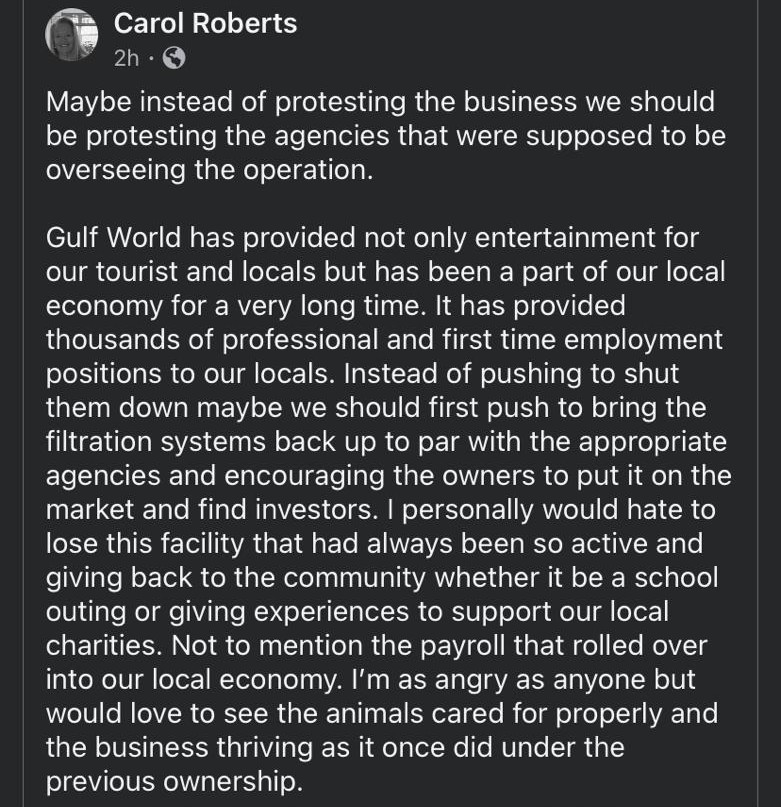
I am responding to the following Facebook post:
I agree with you that Gulf World is an important part of the Panama City Beach and greater Bay County community, and that it is an important resource to the community and its economy. I agree with you that under its prior ownership, the park was a bright star in the county’s tourism market. And I agree with you that the current owner needs to sell the park.
But things are not that simple.
As I go forward, please understand that I’m not of the animal activist cloth out to close every dolphinarium, aquarium and zoo. In fact, I support the missions of many. I interned with birds at SeaWorld, including penguins, volunteered as a zookeeper’s assistant at the San Francisco Zoo, and for a number of years, I volunteered with the Texas Marine Mammal Stranding Network. Professionally, I write about attraction industry design for trade publications, with my specialty being zoo and aquarium design. Personally, I have partnered with a number of individuals, all concerned with animal welfare, some of whom are experienced trainers and zoo keepers, to work on improving conditions.
We have spoken with a number of members of the US House of Representatives and the Senate on reforming the Animal Welfare Act and USDA regulations, the Marine Mammal Protection Act and NOAA regulations, and creating standards under the Occupational Safety and Health Act for individuals working with wild and exotic animals, including dolphins, seals, and sea lions. Reform is not something that can be done overnight and is even more difficult with the current polarization of Congress. We remain bipartisan though, as our commitment is to animal welfare and the safety of those caring and interacting with the animals.
Simply changing the filters connected to the park’s tanks will not fix the problem at Gulf World. The facility is dilapidated and nowhere up to current standards. The park is aware of this as, only a few months ago, it removed itself from the Association of Zoos & Aquariums’ (AZA) Pathway to Membership program, a mentorship program leading to AZA accreditation, considered by many to be the gold standard for zoos, aquariums, and dolphinariums.
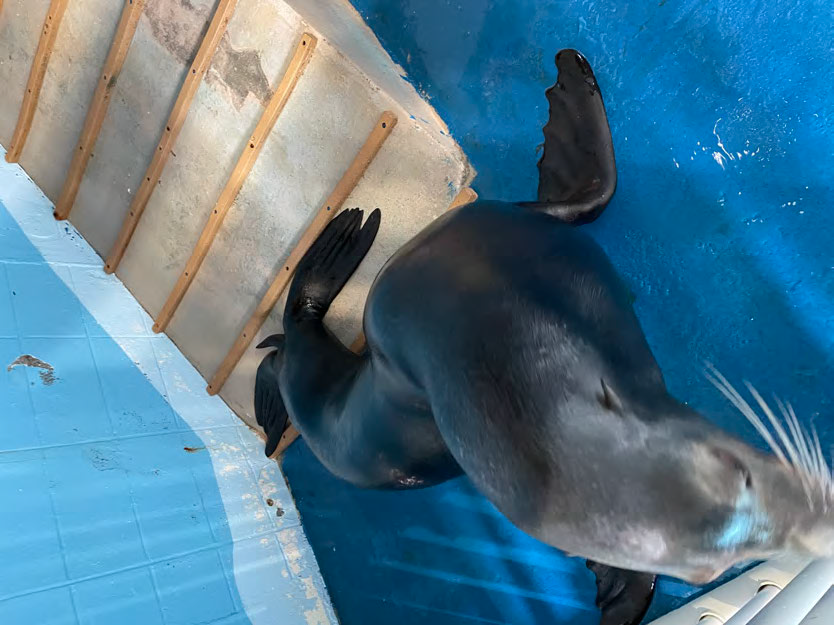
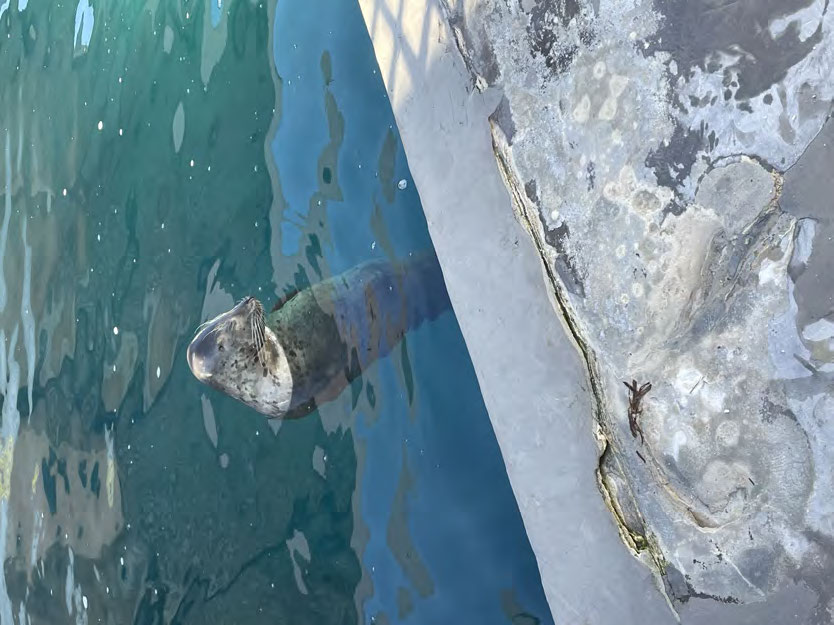
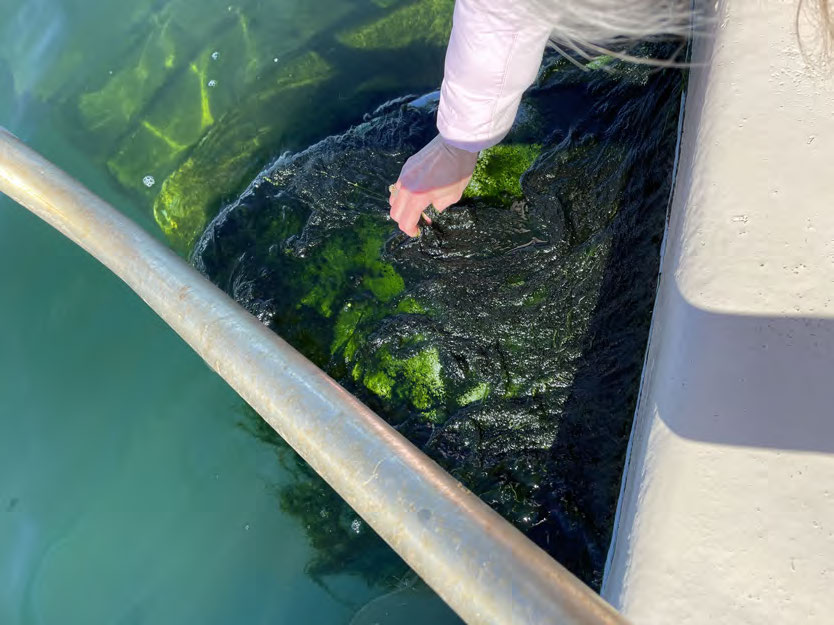
The following images are from a January 8, 2025 inspection conducted by the USDA. Concrete is severely cracked throughout the facility, paint is peeling (which is hazardous if ingested by an animal), and inspectors – who are licensed veterinarians – noticed a six inch coat of algae in the dolphin pools. That amount of algae is not only indictive of a lack of working filters and trained staff to work the life support systems, it also indicates high levels of coliforms, bacteria released through animal feces (i.e. poop), that could cause a variety of health conditions within humans. The trainers and the park guests that get in the water or are splashed by it are facing as much a health risk as the animals residing in it.
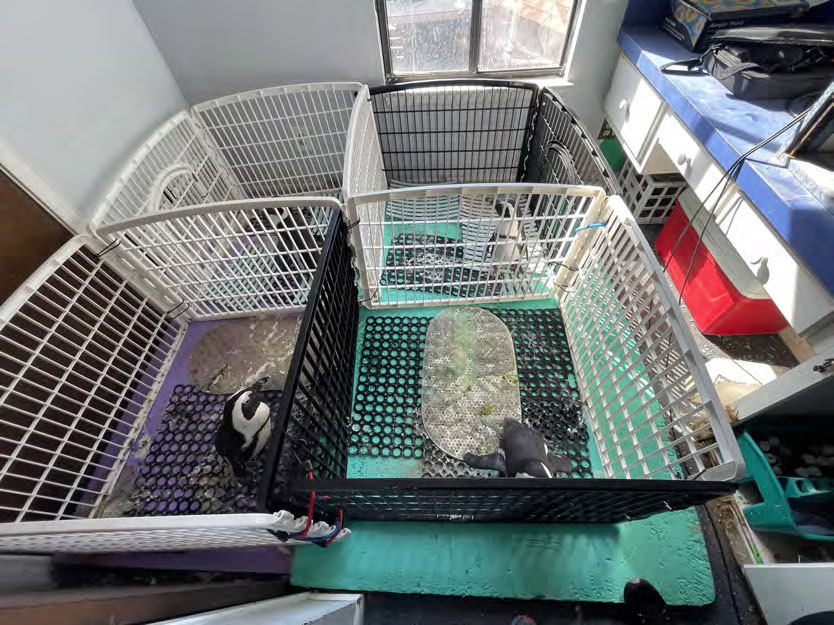
Of particular concern to me are the penguins, stored in a dusty office in small crates, simply because the room was air conditioned.
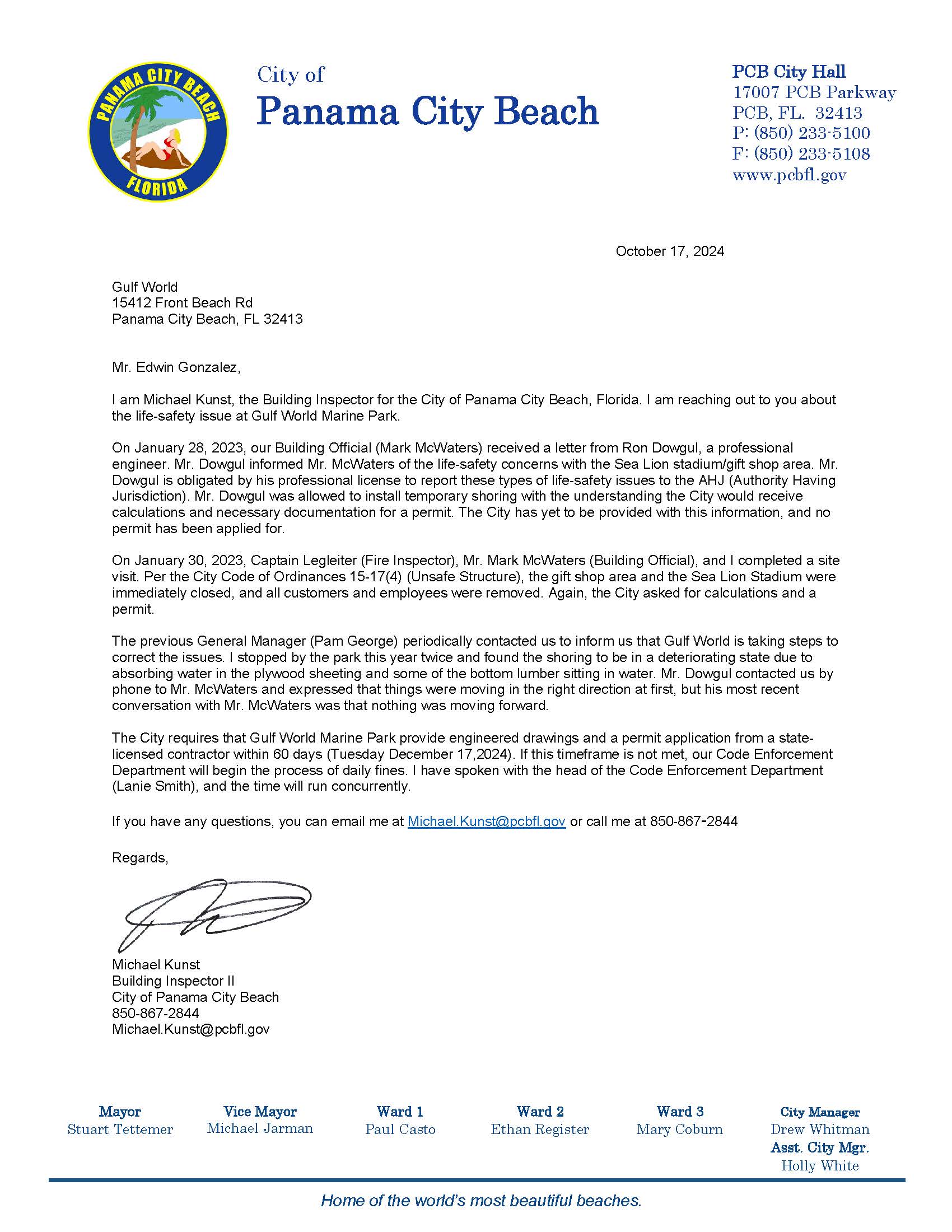
The city is also aware of the dilapidated state of the park, as shown by this letter from almost six months ago:
This is not the first time the park’s owners tried to fix a compromised structure with construction shorings. In Miami, they did the same with the whale stadium, housing the park’s killer whale, a structure that had been condemned by Miami-Dade County. Those shorings were found to not be up to state code by the Fire Marshal. The whale died one day after the expiration date to have the shorings approved, presumably from kidney failure. Gulf World, like its sister park, the Miami Seaquarium, is owned by a company that has shown a lack of commitment to the health and safety of its animals, staff, and guests.
Yes, the park should be sold, but there are complications. Gulf World currently has at least three lienholders – insurance companies Prudential and Cigna, who purchased $105 million in notes, and a timeshare company called Tradewinds which was awarded what is likely now close to $5 million, with late fees included, in arbitration over its role in securing the note sale.
The recent bankruptcy of the Mexican parent of Gulf World only throws a wrench into the lienholders ability to claim assets (including the property, buildings, and animals) or a potential sale.
Ultimately, the most important thing is to immediately get the animals out of Gulf World to facilities that will better support them. There is an online petition asking for them to be placed in sanctuaries, but at this time, the only operational dolphin sanctuary is in Indonesia, with new facilities being developed in Greece, Crete, and Italy. But these animals need to be out within the next few weeks and transport to a sanctuary months away is just not practical.
Does this mean an end to Gulf World? Not at all. In the short-term, it will impact the community with layoffs and the lack of a major tourist draw during the busy Summer season.
The cost it will take to update the facility to current standards is high. It is much more reasonable to move out the animals on a temporary basis, tear down the entire facility, and build a new one from scratch. If there are problems with investors buying the property and rights to the park due to the issues caused by the bankruptcy and multiple lien holders, build a new dolphinarium elsewhere in town and call it something else. Whatever it’s called, it has the potential to be the shining star in the community that Gulf World once was.


need volunteers?