
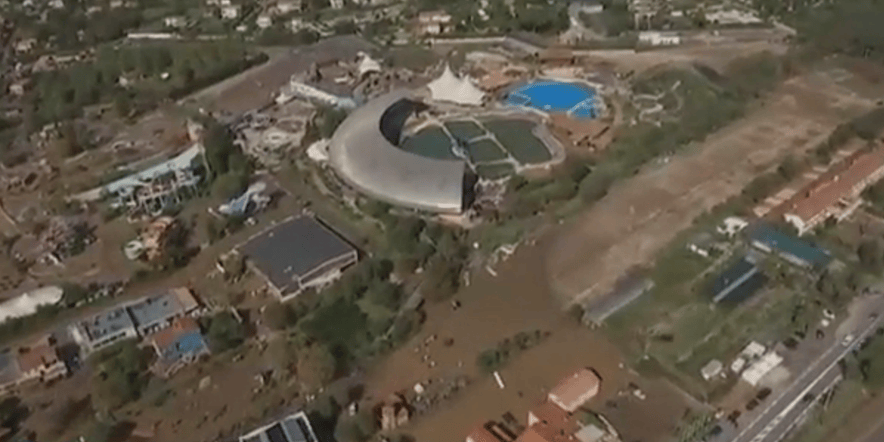
In 2014, Palace Entertainment, the American subsidiary of Spanish theme park and attractions operator Parques Reunidos, one of the largest in the world, purchased the Miami Seaquarium park from its long-time owner, Wometco Enterprises, and acquired a lease from Miami-Dade County, which owns and leases the land on which the park sits.
At the time, Fernando Eiroa, President and CEO of Palace stated: “Palace Entertainment is excited to be adding such a premier entertainment and educational destination to our collection of family parks. We understand the commitment that Miami Seaquarium has to wildlife conservation, community involvement and their dedication to both educate and entertain guests.”
The following year, the two year curse began, where every two years, a new disaster would impact the Seaquarium.
- 2015: The Seaquarium’s sister park, Marineland (Antibes, France) was devastated by substantial flooding along the French Riviera. Much of the $17 million that had been pledged for new attractions in Miami was diverted to cleanup and rebuilding efforts at the French park.
- 2017: Hurricane Irma hit Miami in November, causing the park to remain closed during the potentially busy Thanksgiving week.
- 2019: The COVID-19 pandemic began. While closure and operating restrictions, enacted in March 2020, remained less strict in Florida than in other states, the park suffered from the loss of international tourism due to federal travel bans.
- 2021: Following the collapse of the Champlain Towers condominiums in Surfside, Florida that killed 98 people, Miami-Dade County ordered emergency inspections of tens of thousands of buildings forty years or older throughout the county. As a result, the Seaquarium’s Whale Bowl and Golden Dome stadiums and Corridor A under the Top Shelf stadium received repair or demolish orders from the County.
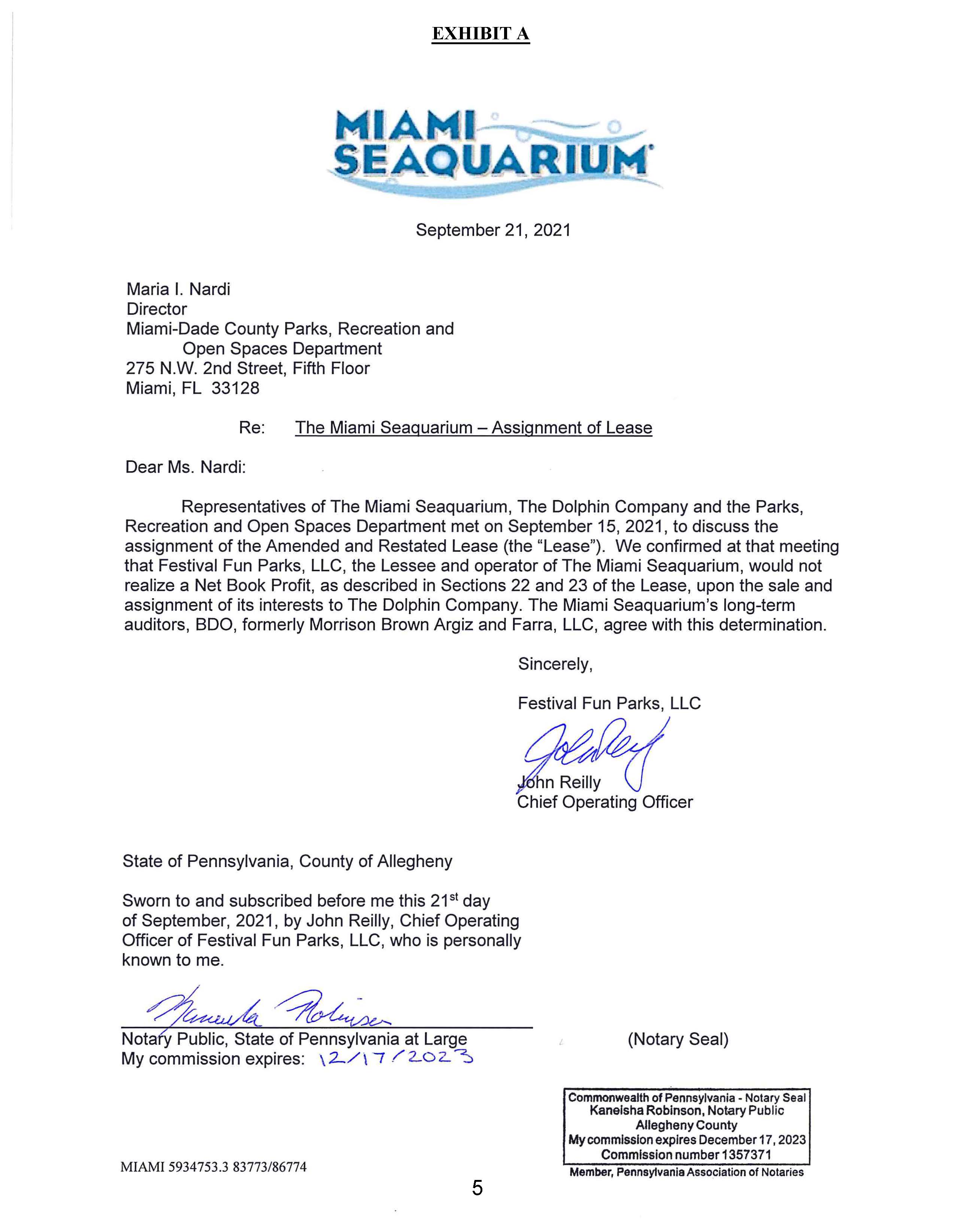
Things had gotten so bad at the Miami Seaquarium that in a September 2021 letter to Miami-Dade County, John Reilly, COO of the park’s owner Palace Entertainment and a former CEO of SeaWorld, wrote that his company would not realize a net profit from the sale of the park.
On October 19 2021, the Board of County Commissioners voted to assign the park’s lease to The Dolphin Company (under its subsidiary MS Leisure).. Both the Mayor and the County’s Zoo Director assured Commissioners that the sale was necessary to improve welfare of the park’s animals, following a scathing September USDA report of a June 2021 inspection, and that The Dolphin Company’s ownership would pave the way for improved accountability and transparency.
Then, on February 1 2022, a USDA pre-license inspection of the Whale Bowl showed urgent need for repairs and a lack of the pool meeting federal size requirements for an adult female killer whale, something that the USDA’s Office of the Inspector General had published a report on five years earlier.
This February 1 inspection report was hidden from the public and a second pre-license inspection on February 22 2022 was cleared, but did not include the Whale Bowl. During this second inspection, representatives from The Dolphin Company advised USDA inspectors that the animals in the Whale Bowl would not be placed on public exhibition. This paved the way for the same USDA management that was under investigation for illegal activity in other APHIS inspections to sign off on a deal to remove the Whale Bowl completely from the park’s license, which also removed Animal Welfare Act protections for the animals in the tank. The February 1 inspection report was never made public until we obtained it via a FOIA request from another agency and published it on this blog in June 2023 (note that the Pompanos, another set of pools in need of repairs that has been housing animals off public display, was not exempted from the license).
So how is it that another scathing USDA report came out mid-2022 and yet another in Autumn 2023?
Miami’s “animal rights Mayor” did not find the park in violation of its lease until more than two months after the death of Tokitae. Concurrent with her partnership with The Dolphin Company and Friends of Toki, the “animal rights Mayor”:
- was promoting construction of a water park on County property in a flight zone for endangered bats;
- was running a county whose animal shelters did not provide adequate cooling for animals during a record heat wave;
- was supporting a park which was underfeeding its animals and keeping them in poorly maintained environments.
OUR INVESTIGATION
On February 8 2021, just days after the pre-license inspection, Charles Vinick of The Whale Sanctuary Project wrote a letter to NOAA urging Tokitae to be moved out of her tank so that necessary repairs could be made. In an August 2022 presentation, Vinick stated that a new tank had been under consideration, but had not been pursued due to cost issues. Yet even after a billionaire came on board, there were still no plans for an intermediary tank, something afforded Keiko, the Free Willy whale years earlier. Then Tokitae died in the worst cetacean facility in North America.
When we started looking at the Miami Seaquarium in April 2023, we were very vocal in advocating for either a newly constructed intermediary tank or a move to one at SeaWorld for Tokitae on her journey. We had come across the County’s records condemning the Whale Bowl stadium and the USDA’s hidden February 1 2022 inspection report condemning the tank. We were hardly the first to make such a call for a move to a newly constructed tank or even to SeaWorld. In 2017, when Hurricane Irma hit the park and Tokitae was forced to remain alone to ride out the storm, such animal rights luminaries as Jeff Ventre, Naomi Rose, and Howard Garrett called for her move to Orlando and chastised the Seaquarium for not doing so.
While we were publicly advocating for a new tank or a temporary move to an existing facility with a medical pool and extant infrastructure, we were also investigating something far bigger. Tokitae is an important part of the Seaquarium story – but she is still just a part. To understand the decline of the Seaquarium to the point where it now exists- where animals can be kept in substandard conditions in condemned facilities, where there is a disconnect between veterinarians and trainers, where the health and safety of both animals and staff is at risk, we have to go back a decade in the historical record, and in some cases even farther. We are investigating a decades-long systemic failure of the systems intended to protect those residing in and working at the Seaquarium, a failure perpetrated by members of the very government agencies charged with providing protective oversight of the facility, by the companies that ensured county officials that the utmost standards would be kept, and by the industry tasked with self-policing its own standards of welfare and facility upkeep.
Our goal with investigating the Seaquarium is twofold – to place accountability on responsible parties for the degradation of the park and to create preventative measures to ensure such an occurrence does not take place again on U.S. soil. To that end, we are in constant communication with legislators and officials from regulatory and law enforcement agencies on the federal, state, and local levels; we continue to obtain FOIA, court, and other government documents; and we are in discussions with professionals who witnessed undertakings involving the park.
We will not have a sudden resolution. The story is wide in scope and so is our investigation. We anticipate it will take years. We’re in this for the long haul.
WHO IS RESPONSIBLE?
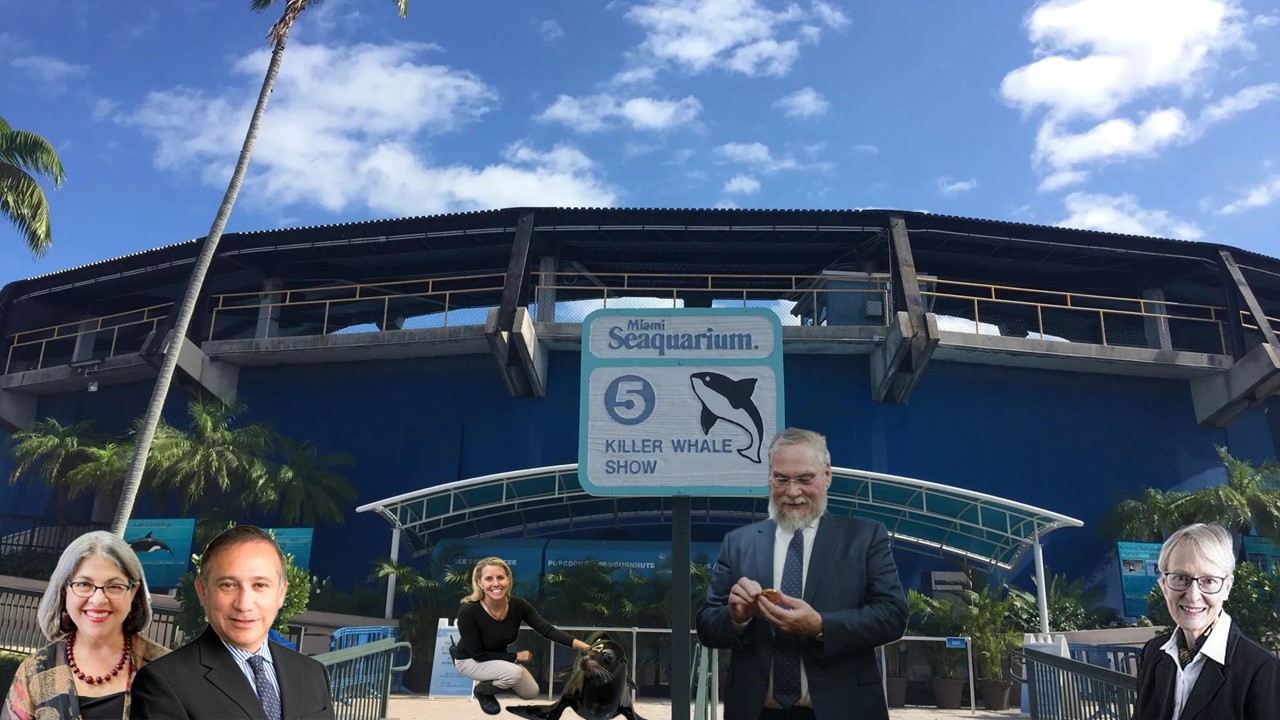
The question of who is responsible is not an easy one. There were some bad people with selfish intentions, sure enough. But there were also a lot of good people, with nothing but good intentions. Sometimes bad or selfish people appear on the surface to have good intentions, and vice versa. Most of the people loved the animals. We have no doubt of this. Some of the good people committed unethical actions because it was the only way they could determine to meet their goals and some good people made unintentional errors that had negative repercussions. It’s not black or white.
Make no mistake, corruption is an inherent part of Miami’s infrastructure and there was an element of corruption undermining the Seaquarium. Anybody who was involved in any decision regarding the park, the animals, and the staff caring for those animals is being considered, and that includes industry associations, government agencies, and non-profit partners.
THE FOIA DOCUMENTS AND OTHER SOURCES
The backbone of our investigation comes down to three key areas of research – the acquisition of documents from courts and government agencies, discussions with individuals involved with decisions that have had either a direct or indirect impact on the park, and the collection of public media, such as archived newspaper articles.
Our intent is to eventually make all of these records publicly available, but like our investigation, it will take time. We currently have over 10,000 unique documents and expect that number to increase three to five times over the next two years. To ensure that visitors to our archives can easily track down the documents they are pursuing, we are developing an algorithmic indexing system.
We speak frequently with a number of sources under the condition of anonymity. People may request to remain anonymous for a number of reasons, and we respect that. We have long had a disclaimer on both this blog and its accompanying Facebook page that if a source speaks anonymously, though we may express trust, the reader should take such testimony with a grain of salt. Content from some anonymous sources are published with their permission on a deep background status – this means that we have permission to cite the source, but not the name, title, or place of employment. Others request we don’t make public what they share, and we don’t, but we use their information to seek documentation or declaration from other sources which we can publish. We will never compromise the privacy of a confidential source.
THE INTROSPECTION OF TERMINOLOGY
It’s impossible to look at the situation with the Seaquarium and not look at the marine mammal park industry’s stake in the matter. The industry could have played a pivotal role in the relocation of Tokitae, the park’s lone killer whale, but it chose not to. In an effort to counter the animal rights movement in the post-Blackfish era, the industry began appropriating animal-rights terms to its own projects and even modifying its own terms.
The industry could create its own sea-pen retirement habitats for retiring its collections. In North America, it already keeps cetaceans in sea pens in the Florida Keys, the Caribbean, and at US Navy facilities. Hypocrisy reared its ugly head when SeaWorld led the industry’s opposition to the California Orca Bill in 2014, and came up with every argument in the book as to why placing captive animals in natural waters was a bad idea (even though it was already keeping captive animals in natural waters).
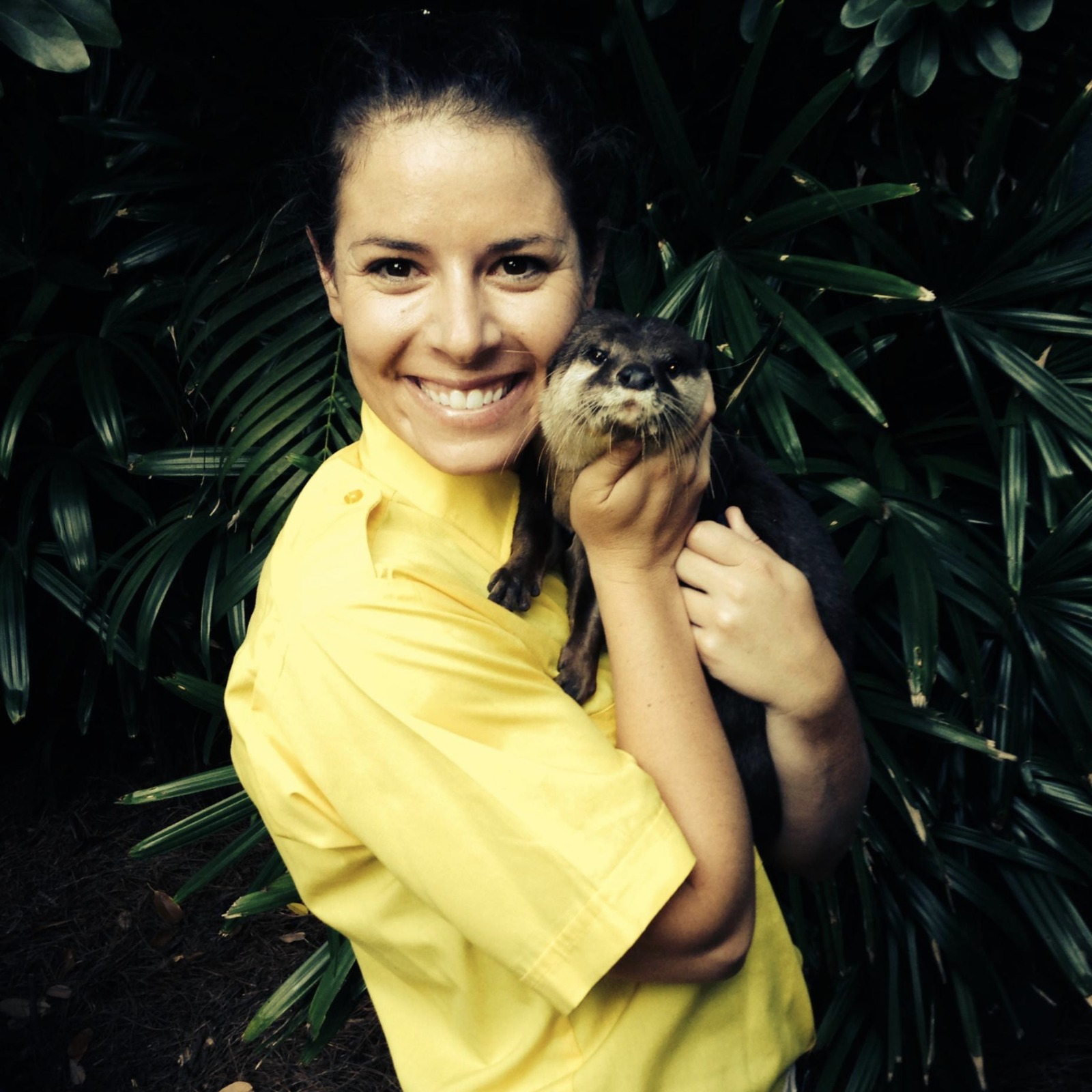
“Animal Ambassador” was originally a term used for animals that were utilized on-property for up-close demonstrations or were taken off-property to locations such as schools, malls, fairs, and television studios. Pioneered by the late Joan Embery of the San Diego Zoo, the program showcased animals as ambassadors for the zoo and its efforts. In the post Blackfish-era, the industry, especially the marine mammal park industry, has modified the term to cover any animal on exhibit within the park, terming them “ambassadors” for their wild counterparts. Ambassadorship is assigned to animals. Obviously, it’s not voluntary. While she was still performing, this “ambassadorship” was used as an argument for not removing Tokitae from the park. Most visitors would never see a killer whale in the wild, and using this logic, it might be their only opportunity to do so and to learn about her species.
“Sanctuary” is another term whose meaning has been redefined for the zoo and aquarium community. The term is most notably used by the animal rights community as a place of rehabilitation and respite from a life of performing and exploitation, where breeding is prohibited. However, plenty of zoo and aquarium exhibits have appropriated the use of “sanctuary” or similar terms in their titles. “Pacific Point Preserve” at SeaWorld is a good example. The Oklahoma City Zoo’s Asian section is called “Sanctuary Asia.” These are both very different types of facilities than those that meet the Global Federation of Animal Sanctuaries (GFAS) specifications. It’s important to note that the Association of Zoos and Aquariums (AZA) accredits sanctuaries, but rather than specifying them in the same manner as the GFAS, it categorizes them as “related facilities,” which are facilities not open to the public on a frequent basis, and is the same categorization as species survival centers, such as the Freeport-McMoRan Audubon Species Survival Center, a co-venture of the San Diego Zoo Wildlife Alliance and Audubon Nature, which is centered around the breeding of endangered animals.
Two weeks before Tokitae’s death, Pacific white-sided dolphins Loke and Elelo were relocated to the Shedd Aquarium in Chicago under breeding loan agreements. In a press release, Shedd stated: “This transfer will make it possible for Miami Seaquarium to make necessary facility repairs and is an example of partnership and cooperation, placing the highest priority on the animals’ best interests . . . . Care and sanctuary for the dolphins is being provided at Shedd Aquarium’s own expense.”
One of the more recent appropriations of “sanctuary” comes from Coral World in St. Thomas, US Virgin Islands. In 2006, Jeff Foster and Peter Noah worked on plans for a sea lion sanctuary in a netted enclosure surrounding Coral World’s underwater observatory. However, the sanctuary was scrapped and replaced with a concrete facility that featured a swim-with-sea-lions program. Foster and Noah would go on to become consultants for Friends of Toki.
While the sea lion sanctuary did not happen, the park has been home to “The Dolphin Sea Sanctuary,” where visitors, at an upcharge, can swim with dolphins in a sea pen and they can also still swim with sea lions in the concrete tank. The bio on the Friends of Toki website for Mike Partica, the group’s care team lead, states: “His work at Coral World Ocean Park over 17 years has included developing and implementing protocols for training, husbandry, and enrichment as well as rescue, rehab and research with sea lions, dolphins, turtles, and sharks.” This is yet another instance of the back-and-forth movement of personnel between revenue driven efforts within the industry and the non-profit advocacy sector.
THE LINE
There is a nearly straight line that runs from the Georgia Aquarium through SeaWorld Orlando and down to the two properties owned by Miami-Dade County’s Parks, Recreation, and Open Spaces (PROS) Department – the Miami Seaquarium (land is leased to the park) and Zoo Miami (owned and operated by PROS).
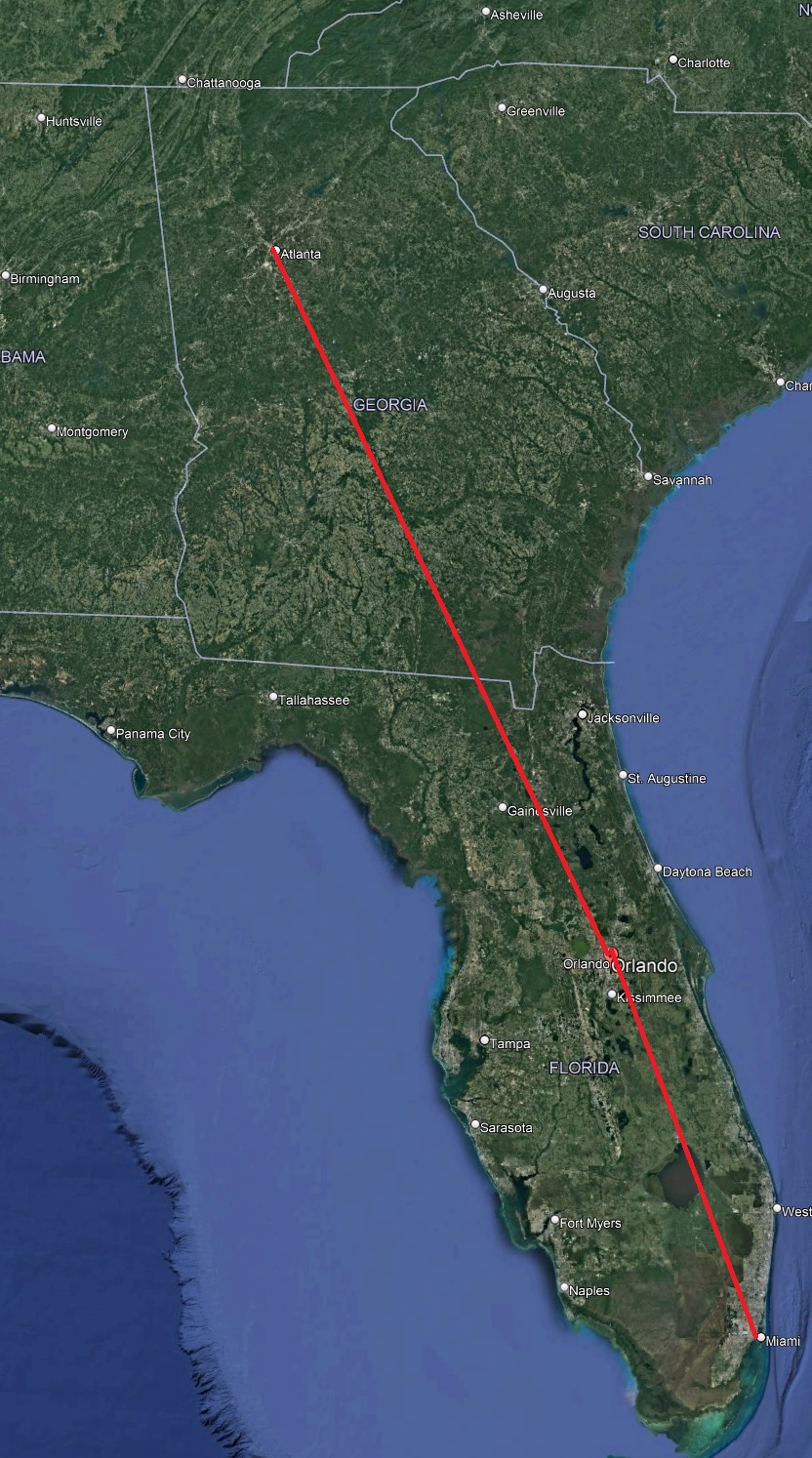
Since 2017, there have been a number of personnel moves between the four facilities, a few of which we’re looking at. Most employment changes between these facilities, though, have been non-nefarious. There are also two suspicious recorded animal deaths tied to transports between the facilities that we are researching.
The Dolphin Company, which the Miami-Dade Board of County Commissioners was assured had a strong history in conservation and education and would turn around the Seaquarium with greater accountability and transparency, operates more than 1/3 of the facilities with training programs accredited by the International Marine Animal Trainers Association (IMATA) and around 1/4 of the accredited facilities of the Alliance of Marine Mammal Parks and Aquariums (AMMPA). Will Elgar, the former director of pinniped training at the Georgia Aquarium, who was hired by Miami-Dade PROS as the Zoo Miami Director in early 2021, testified in front of the Board while serving as acting President of IMATA and an inspector for AMMPA.
Now, there are members of the training and park management communities who will state that we’re misinterpreting, blowing things out of proportion, going too far. And we appreciate that, because it’s an indicator that we’re on to something even bigger that they don’t want the world to know. This isn’t speculation. This is taken from data on the IMATA and AMMPA websites. And as for Will Elgar’s role with both organizations – view the video at the top of this page. Those are his words, from his own mouth.
ARE YOU OR AREN’T YOU?
We’re also looking at The Whale Sanctuary Project (WSP). Legally, Whale Sanctuary Project and Friends of Toki (FOT) are two different entities, much like SeaWorld San Diego and SeaWorld San Antonio are two different legal entities on paper. But there has been much contradiction coming out from WSP regarding its relationship with FOT. In March 2022, WSP stated “The Whale Sanctuary Project continues to provide advice and expertise for purposes of addressing Lolita’s health and welfare needs . . . The Whale Sanctuary Project will be providing our best resources to this endeavor.” A year later, after the death of Tokitae, WSP President Lori Marino wrote in a public forum to animal welfare advocate Diane Fraleigh, who was questioning the organization’s role with white-sided dolphin Li’i being kept alone in the Whale Bowl: “The WSP did not abandon anyone. In fact, the people from the WSP were the only people that did anything at all to help Toki get out of there.” (Our apologies to those kind souls from the Lummi Nation, Orca Network, and the tens of thousands of advocates that fought hard to get Tokitae out of the Seaquarium, but apparently Lori Marino does not recognize your efforts).
In its filings with the IRS, WSP states this about its support for Friends of Toki: “Funding for this work, including staff time for members of the Whale Sanctuary Project, was fully supported by donations to Whale Sanctuary Project by Friends of Tokitae’s Cofounder, environmentalist Pritam Singh.” This statement appears under the title: “Our current Whale Aid Program Whale Aid Tokitae.”
WSP does not publicly provide a fully audited itemized financial report to the public. Without such a document, it’s impossible to determine what Singh donated and what expenses went to supporting Friends of Toki’s operation. As presented to the IRS, the Whale Aid Tokitae funds are interspersed with WSP’s other donations and expenses, including those for the proposed Nova Scotia sanctuary, which according to statements by WSP Executive Director Charles Vinick and President Lori Marino is a different project than Tokitae, as the whale would not have been going to that location. Ironically, while not separating funds in their filing between the Miami and Canadian projects, WSP did record a separate charge of just over $100,000 for educational programming – consisting primarily of a project of artwork of whales by schoolchildren and a series of webinars.
In a March 30 2023 interview about Tokitae on the International Marine Mammal Program (IMMP) website, David Phillips stated: “Some big benefactors have stepped forward, but there will also be ways for individuals to contribute through the Friends of Toki and the Whale Sanctuary Project.” Phillips is both Executive Director of Earth Island Institute, which runs IMMP, and a board member and Treasurer of WSP. As FOT did not have a donate button on its website, we can also not determine, based on WSP’s filings, what other donations were rerouted from FOT to WSP, nor can we determine what individual donation dollars from WSP, outside those donated by Singh, were expended on Tokitae without disclosure to the donors.
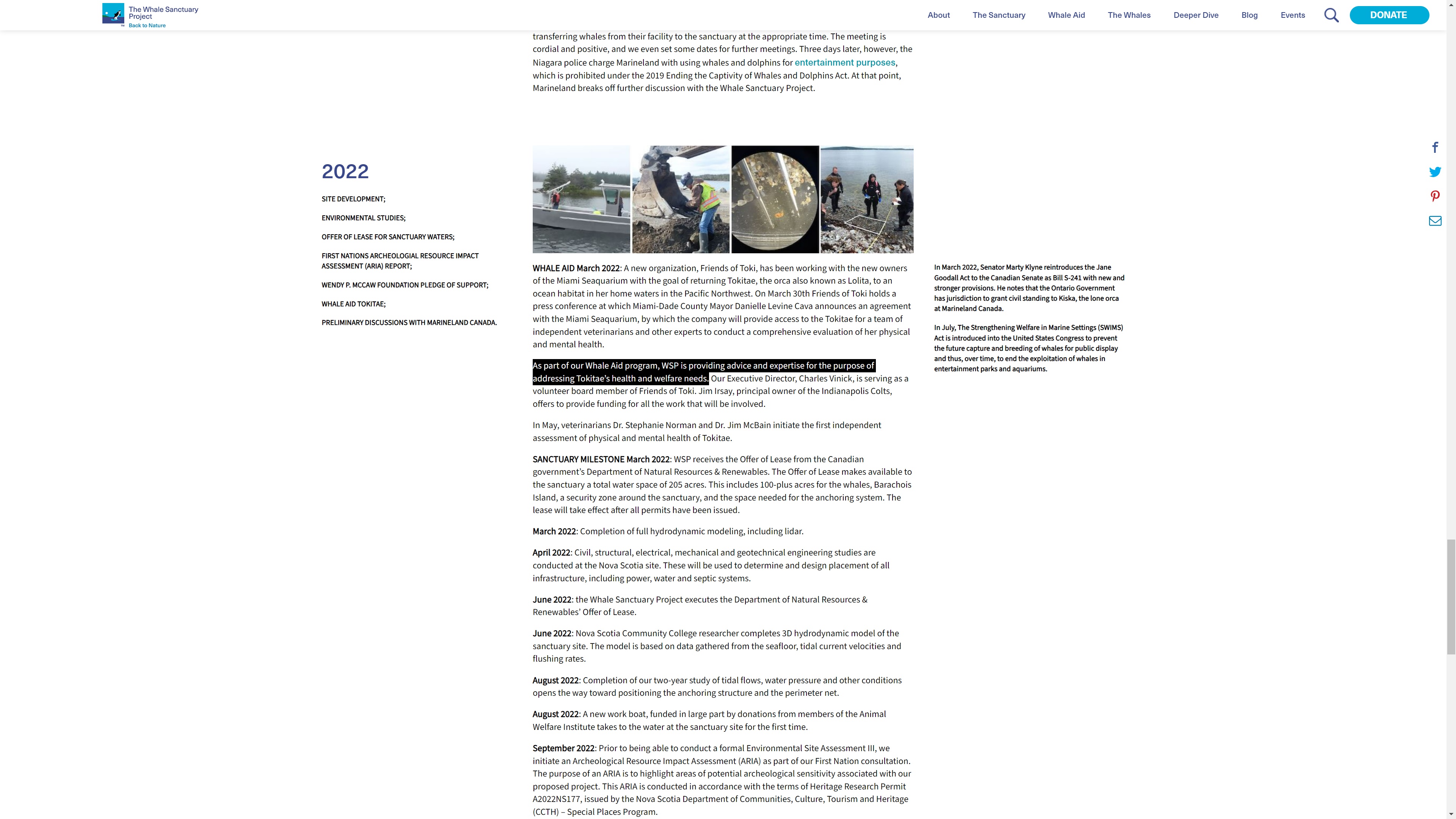
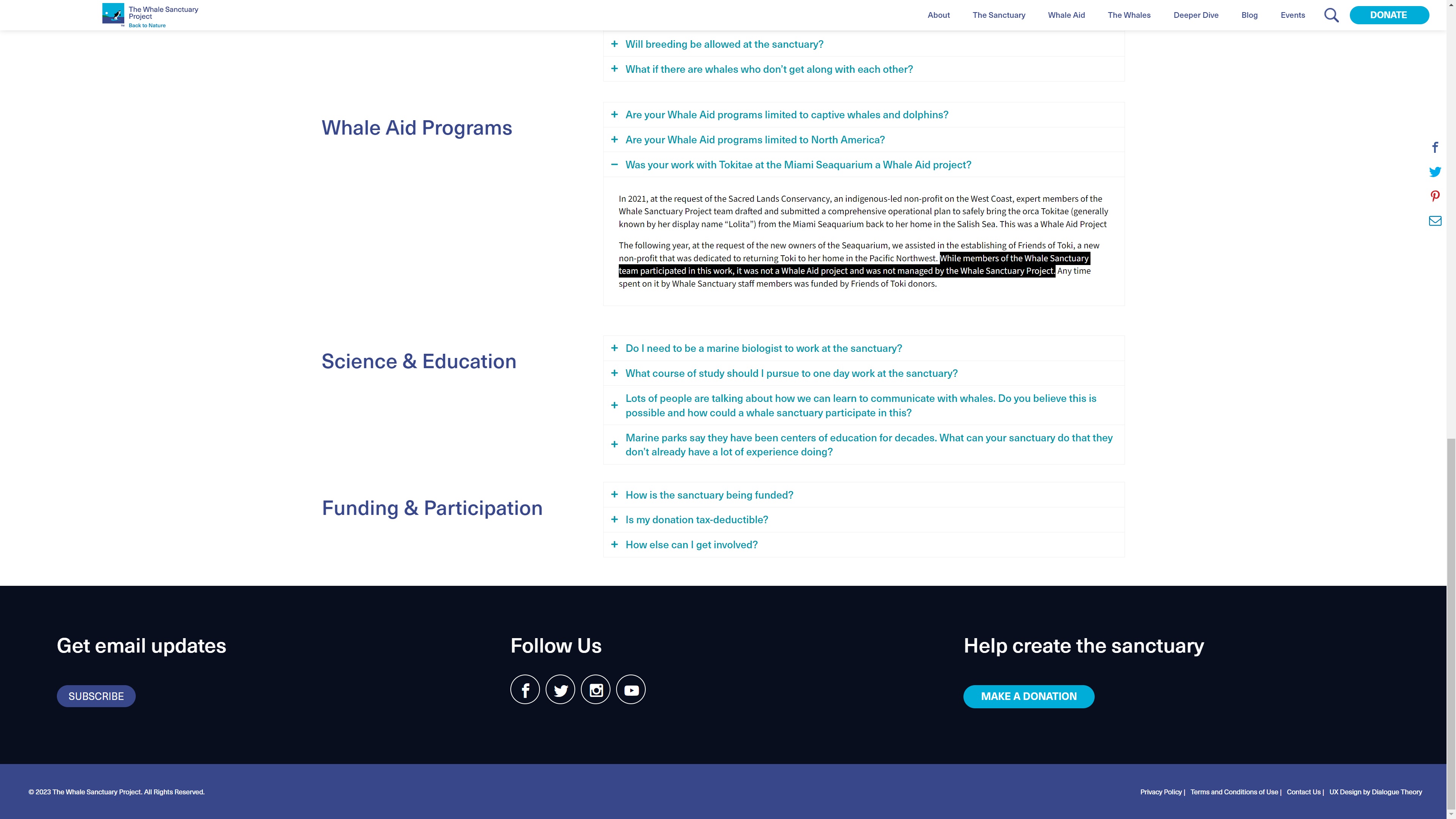
Then there are questions as to whether this Whale Aid Tokitae even exists. On one page of the WSP website, we find the statement: “As part of our Whale Aid program, WSP is providing advice and expertise for the purpose of addressing Tokitae’s health and welfare needs.” Yet, elsewhere on the website, WSP emphatically denies this. “While members of the Whale Sanctuary team participated in this work, it was not a Whale Aid project and was not managed by the Whale Sanctuary Project.”
MOVING FORWARD AND HOW YOU CAN HELP
ThemedReality will continue to update blog and social media posts to clarify statements, make corrections, or provide additional material. As we have done in the past, update notifications will appear at the top of the post, including date and time of the update and explanation of what changes were made and why.
Starting next week, the ThemedReality blog will return to publishing the “Witnesses Speak” series, where we share affidavits and depositions from the 2016 case against the USDA. We published the first episode in August 2023, and then we placed it on moratorium upon Tokitae’s passing. We will also be adding in documentation from the 2013 case against the Miami Seaquarium.
In early 2024, ThemedReality will return to its core mission of covering stories in the attractions industry that mainstream media and trade publications don’t approach. Our advocacy work for animals and those who care for them will expand beyond its current scope and will be featured online in a new website with new branding more appropriate to our mission.
What we do is a group effort. There are those within both the industry and the animal advocacy movement that understand that change is necessary both from outside and from within both groups to enable a more open and successful dialogue. We are thankful to the kid who sends us articles he knows will be of interest to us and to the old codger who talks about the Seaquarium and shares our website. We are grateful to the Sharons and the Bethanys and the Joys and the Michelles and the Jenns and the Erics and the Eriks and the Erickas and the Michaels and the Sandras and the Paulas and the tens of thousands of other names of those who have followed us and shared with us and discussed the issues on our Facebook page and to those who have taken the information we’ve shared and made it part of their basis of action.
Thank you to those who have donated to our fundraiser. We are far from done. What we’re doing, we do voluntarily. We get no pay for it. It takes a lot of time – time that’s taken from our paid work, which pays the bills, and time taken from our families – which include children and pets we don’t want to neglect. We pay the fees for FOIA requests and court documents directly from our pockets. This is why we have a fundraiser – any amount helps – to reimburse for those out-of-pocket fees and to finance a trip to Miami to obtain additional documentation that we can only acquire in person and to meet with government officials. If you would like to help, please visit:
https://fundrazr.com/getevidence?ref=ab_4Ck8Nf_ab_4QiqKTe3WK94QiqKTe3WK9
To be transparent, we update our expenses every few months. Once we have completed our visit to Miami, we will be donating unused funds to a non-profit working to save the Southern Resident Killer Whales.
The effort to improve welfare and protect animals and their caretakers continues…..
Joe Kleiman and Valerie Greene
BIOS
Joe Kleiman: Since 2011, I have been Senior Correspondent and News Editor for InPark Magazine, a leading trade publication covering attraction design and operations. My areas of expertise for the magazine include museums, zoos and aquariums. I am also published in a number of professional trade journals on educational program design for non-profit venues. I also blog about issues within the attractions industry at ThemedReality.com. Prior to joining InPark, I served as management and as a Director at a number of commercial attractions and non-profit museums for almost 25 years (none of which held live animals) and am certified by the IAAPA Amusement Facility Management School. Additionally, I have more than a decade experience as a volunteer in zookeeping and animal rescue, including marine mammal rescue. From December 2021 to March 2023, I was an advisor to The Deep Blue Organization, a 501(c)(3) nonprofit dedicated to retiring performing whales to coastal habitats. In conjunction with Deep Blue’s founders, I developed a strategic business plan and animal welfare improvement plan. The Deep Blue Organization is the only organization or company to have entered into negotiations for Kiska, Canada’s last captive orca. Negotiations ended upon Kiska’s death in March 2023. I am no longer associated with The Deep Blue Organization but continue to support their mission.
Valerie Greene: For eleven years, I was a trainer at SeaWorld Orlando, where I worked with nearly every species of animal in the park’s collection. I have had the honor of interacting with Florida’s two most famous orcas, Tokitae at the Miami Seaquarium and Tilikum at SeaWorld Orlando. I have provided expert commentary on the Emmy nominated television program SeaRescue, showcasing SeaWorld’s animal rescue program. I retired in 2016 with the status of Senior 1 Animal Trainer, one of the highest rankings for a trainer at the company. I am a graduate of Barry University’s Dwayne O. Andreas School of Law and served as legislation and policy chair to the International Marine Animal Trainers’ Association (IMATA). I have been published in the Orlando Sentinel, Miami Herald, the marine animal training journal Soundings, and Joseph Kleiman’s blog, ThemedReality. Since leaving SeaWorld I have become a staunch advocate of reforming the marine mammal industry.

