
8 August 2025
This is the introduction to a five part series presented in five chapters as distinct blog posts. This isn’t one of the chapters. It’s only the introduction.
Due to a number of reasons – health issues, my day job as a trade journalist writing on attraction design (currently on a Formula 1 project), and the recent death of a close friend – I’ve amassed quite a backlog of posts. So I’ve re-edited them, taken some things out, added new material, and put them together in this five chapter format.
In the coming posts, I’ll address:
- how the internet can be both a tool and a hindrance in monitoring and sharing animal welfare concerns
- the issues with NGO sanctuary projects
- the issues with zoo and aquarium public relations talking points
- the $10 million loan made a quarter of a century ago that started the Miami Seaquarium on the road to its demise and that road’s intersection with other now-closed parks around the globe.
- the not so surprising surprise of a death due to kidney failure, complete with a never-before released necropsy report.
There’s no better time than now to share this series, considering what’s been happening this week:
Monday the 6th
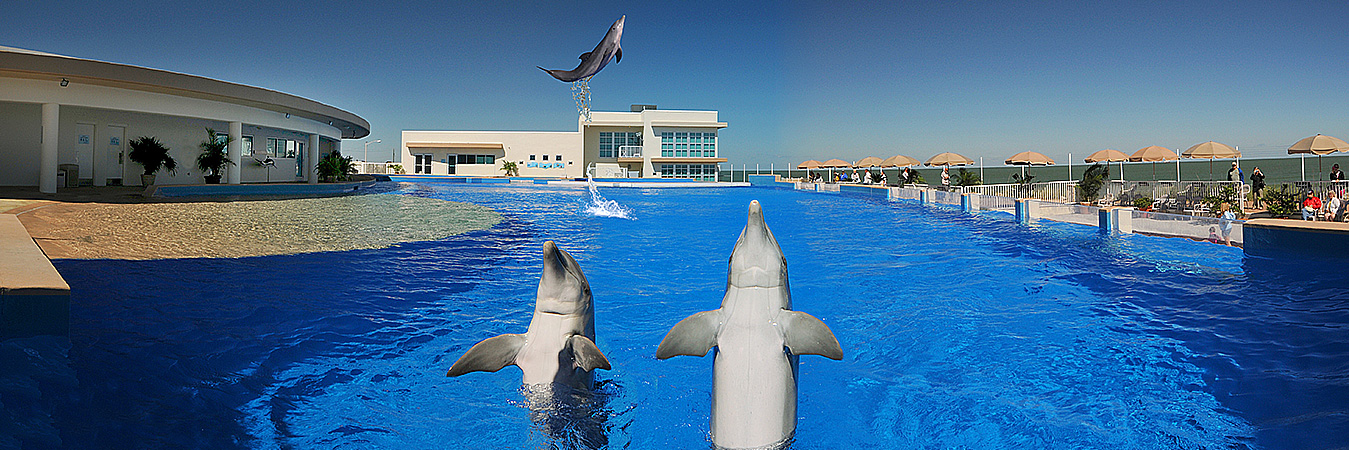
Documents were filed in the US bankruptcy trial of The Dolphin Company showing the stalking horse bidders (bids for assets that are accepted prior to auction and solidify the low-end bid tier in order to prevent underbidding) are a resort developer for Gulf World and a residential developer for Marineland Dolphin Adventure, leading to the probability that neither location will remain operating as a dolphinarium or marine life park.
In the Florida Keys, the owners of Hawks Cay Resort have filed an objection to using the portion of their property leased to Dolphin Connection as collateral on the loans that led to The Dolphin Company’s bankruptcy, stating that not only is it prohibited by a 2022 licensing agreement, but also by Florida law.
While I suspect that Dolphin Connection will cease to exist, I’m of the belief that the facility will continue to operate as a dolphin attraction. In February 2025, EOS Investors, a hospitality ownership and management company closely aligned with the Pritam Singh family, began managing Hawks Cay. I would not be surprised if Dolphin Research Center, with which EOS has an established marketing relationship, takes over the facility as a second location under favorable terms.
Tuesday the 7th
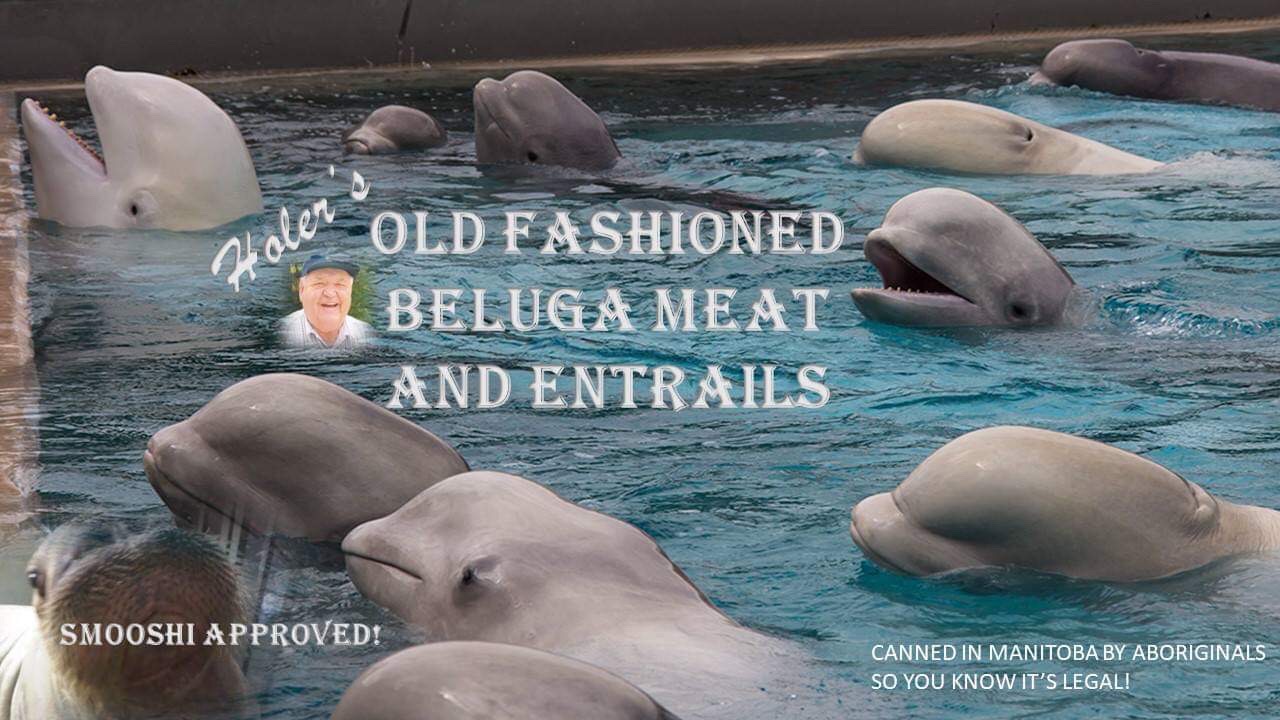
This was the deadline given by MarineLand Canada to government leaders for financial assistance in feeding its belugas, with an ultimatum made that it may be forced to euthanize the whales if assistance was not offered by this date.
In response to the threat, a number of proposals, from turning a portion of the park property into a sanctuary to rewilding them in their native Canadian waterways (even though the entire population at MarineLand is of Russian stock) to sending them to the sanctuary under development in Nova Scotia, have made the rounds.
To date, only one beluga sanctuary has been built and the two of the three sanctuary whales on site (a third died in Shanghai prior to transport) have been residing in an indoor pool facility for the majority of their stay. This sanctuary in Iceland, affiliated with a company co-owned by Blackstone and the owners of LEGO, has to date not accepted third party whales.
Thursday the 9th
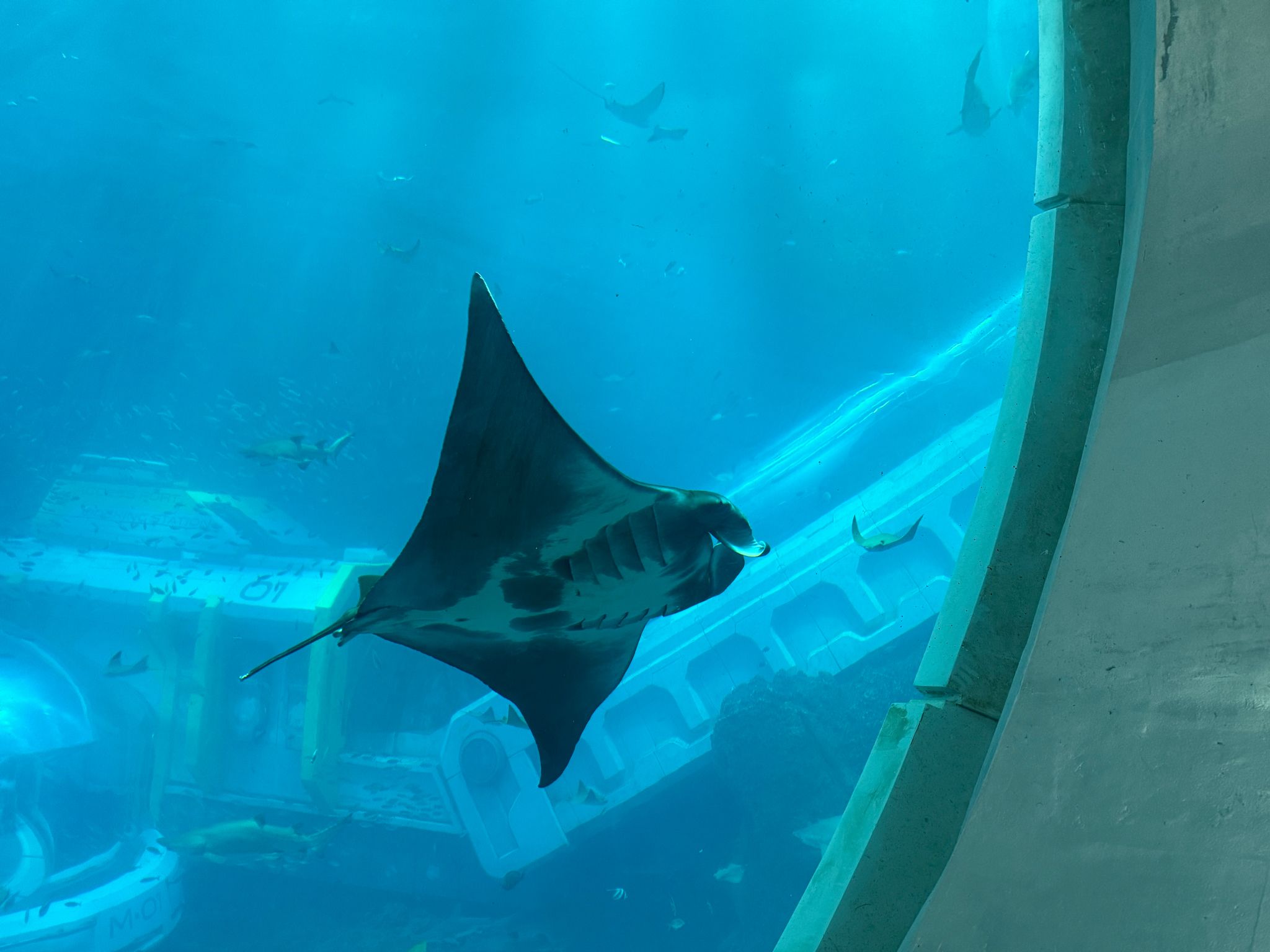
The International Union for Conservation of Nature (IUCN) begins its 2025 World Conservation Congress, an event that occurs every four years. This year, the event is being hosted by the Emirate of Abu Dhabi. Of note: In order to curtail illegal harvesting, Abu Dhabi has outlawed the capture of any sharks and rays listed within the IUCN appendixes from within its local waters. However, that has not prevented a certain theme park closely associated with the government from obtaining these animals from American waters, which, at the time of capture, was perfectly legal under US law. I doubt this matter will be brought up during the Congress. But it will be addressed here.
Sunday the 12th
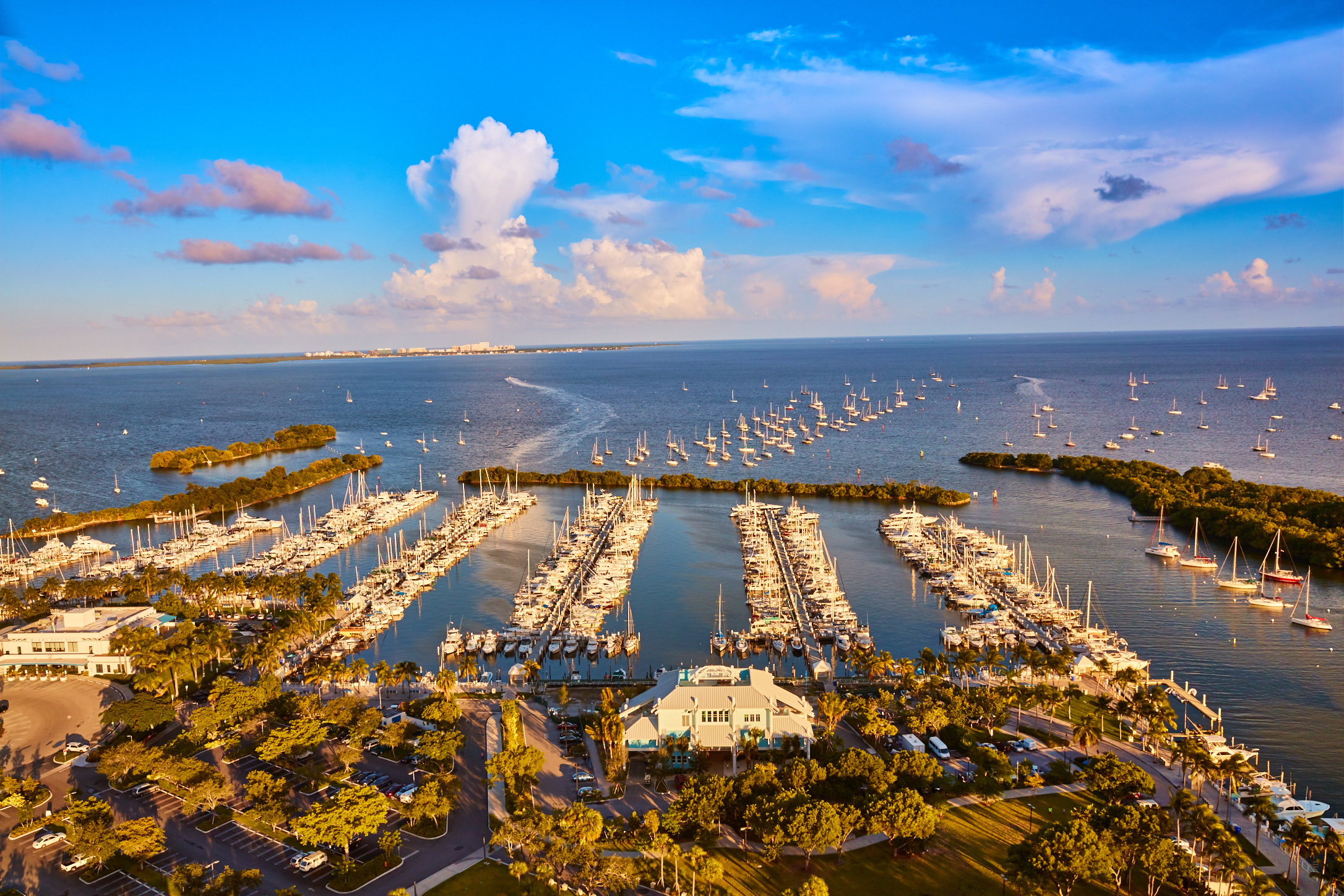
This will be the final day of operation for the Miami Seaquarium. According to publicity material, the Seaquarium will be replaced with a nature walk, expansive marina, retail and dining center, an aquarium, and an event space. Miami already has a major aquarium only four miles away at Frost Science, complete with a 3-story, 100 foot wide, 500,000 gallon tank as its centerpiece. As Frost Science is less than four miles away from the Seaquarium site, I don’t see the aquarium component of what’s being dubbed as “Seaquarium 2.0” being as comprehensive as what’s at the science center. The majority of revenue at the site won’t be from the aquarium component, but rather from the much more lucrative docks. It has also been mentioned that the aquarium component will be accredited, which leads me to believe that it may be managed by the Miami-Dade Parks, Recreation, and Open Spaces Department, which owns the site, through its division that operates the county’s zoo, Zoo Miami.
Next in Chapter 1: When drone footage caused the management of Marineland Antibes to enter into crisis relations mode, it had an opportunity to place the blame on activists and the government, but instead made it appear to be an internal issue. Why?
I’ll try to post these chapters as rapidly as I can. I can’t guarantee when they’ll go onlien, so I won’t give any definitive dates – just keep looking at The Flip on Facebook for links as they’re posted. There could be any number of delays – travel, health issues (yet again), and if new developments come around, I may need to make alterations to chapters before posting. I ask that you please be patient.
One final note
What you will see in this series is my opinion. I’m basing it on the best available evidence I’ve seen. I support welfare NGOs in some aspects, and the zoo and aquarium community in others. Sometimes they work together, and sometimes they’re vile to each other, depending on the parties involved. I’m writing this series on my own, and it is not reflective of any of my clients, employers, and collaborators. I swear allegiance to nobody on these topics and I’m speaking my mind, in a frank and unrestricted manner. I may lose friendships over what I have to say. That’s life, baby.
You may disagree with what I have to say. You may call it heresy. Right on. Remember, these are my opinions, and you’re welcome to yours and I respect that. However, if you try to demean me or use my bio to come up with some fanciful untruth about who I am and who I’ve worked for, you might want to consider that you just might be an asshole and that it’s time to seek out a therapist. And if you are seeing a therapist, it may not be working for you and you might want to seek out a new one (I write this as my wife, who is a therapist, peeks over my shoulder). I’ve had so many people over the years – zoo people thinking I work for PETA, and activists thinking I work for zoos, try to derail me because I argued something they couldn’t rationally counter. I’m able to equally praise and be critical of people and organizations on both sides of the animal welfare issue, which is something people find difficult to do when they’ve been taught the world is black and white, us or them. In diplomacy, there’s this area between peace and war called the Grey Zone. I find it comfortable in this zone. So if your best defense is character assassination of someone you really don’t know, then you don’t really know about the subject matter you’re defending, or you lack the facts to defend your arguments. Try a different flavor Kool-Aid. What may seem fantastical and outlandish may be more true than you’re willing to accept.
In 1975, when my students were kidnapped by rebels, I was accused of hiding instead of trying to save them, and of not giving enough money for their ransom. I wasn’t believed.
– Jane Goodall
I will do my best to be critical of everyone I write about in this series and completely unapologetic.
Joe

